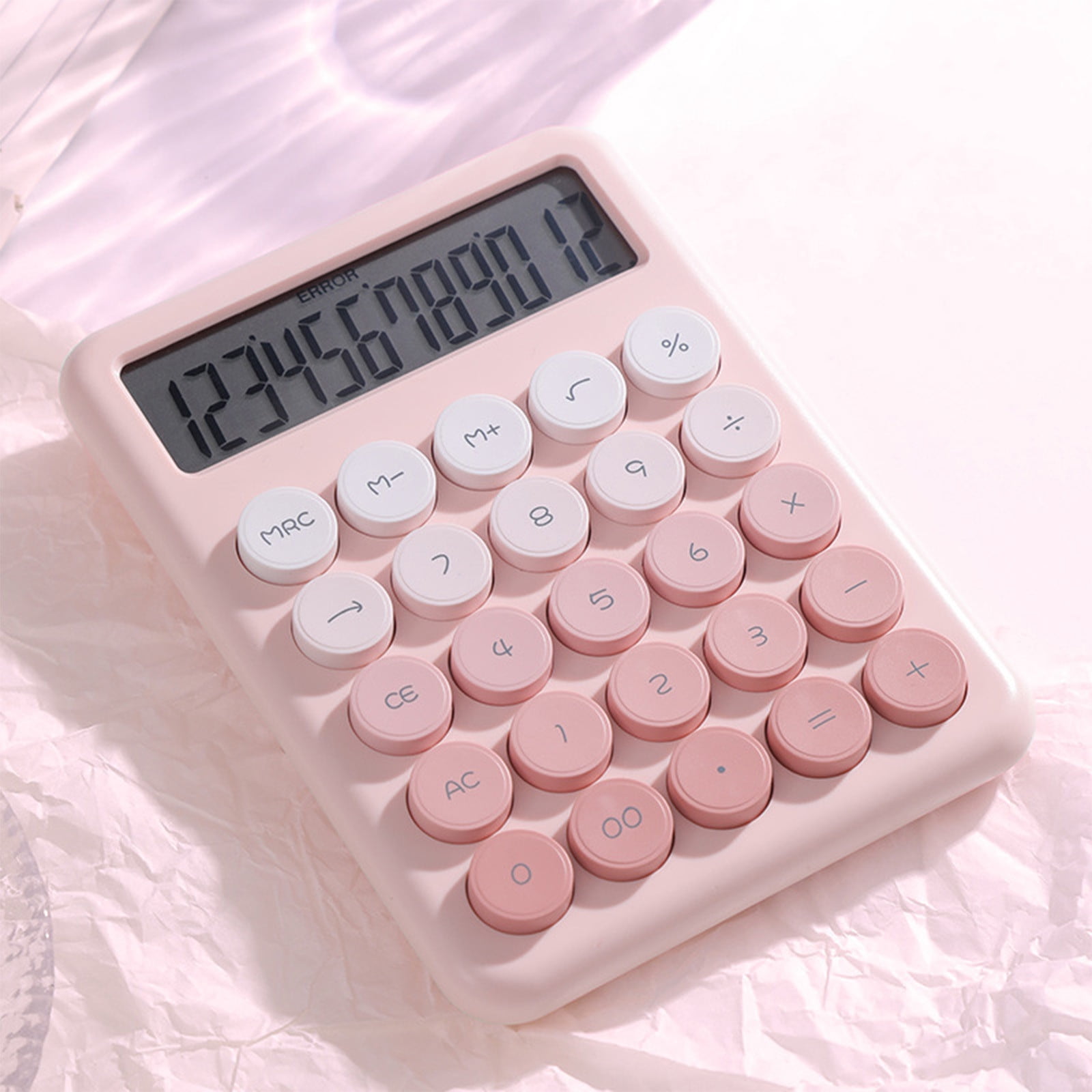
Calculator
A device to calculate numbers and perform mathematical operations. The calculator has evolved from simple counting tools to modern digital devices. The earliest form was the abacus, used thousands of years ago by ancient civilizations to perform basic arithmetic. In the 1600s, inventors like Blaise Pascal and Gottfried Wilhelm Leibniz created mechanical calculators that used gears and wheels to add, subtract, multiply, and divide. During the 1800s, devices such as the Arithmometer and Charles Babbage’s designs helped move calculators toward automation. In the 1940s–60s, electronics replaced mechanical parts, making calculators faster and more reliable. The 1970s brought a revolution with the invention of the microchip, leading to pocket calculators by companies like Casio and Texas Instruments. Today, calculators are built into computers and phones, capable of solving complex problems and even explaining solutions. From the abacus to AI-powered apps, the calculator’s history shows how technology continues to make mathematics easier and more accessible.